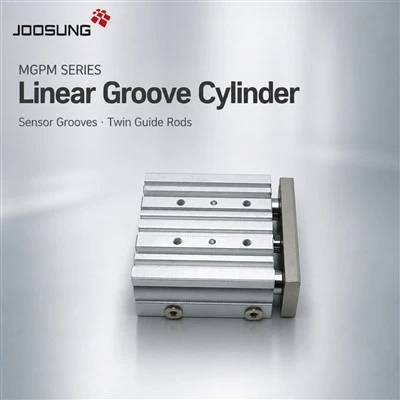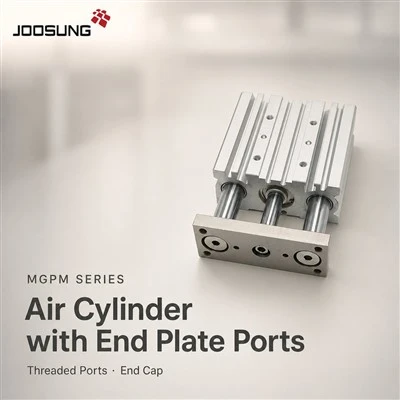
The ISO standard for pneumatic cylinders primarily refers to ISO 15552, which specifies the dimensions, mounting types, and other requirements for pneumatic cylinders used in industrial automation and machinery. This standard ensures compatibility and interchangeability of pneumatic cylinders from different manufacturers. Here are key points about ISO 15552:
1. **Scope:**
- ISO 15552 applies to pneumatic fluid power cylinders with a maximum rated pressure of 1 MPa (10 bar).
2. **Standardized Dimensions:**
- The standard provides dimensional specifications for bore sizes, piston rod diameters, mounting interfaces, and overall cylinder lengths. This standardization allows cylinders to be easily replaced or interchanged without modifications.
3. **Mounting Types:**
- ISO 15552 defines various mounting options, including:
- **Flange Mounting:** Front and rear flange.
- **Foot Mounting:** Mounted on the base or sides of the cylinder.
- **Clevis Mounting:** Allowing pivoting motion.
- **Trunnion Mounting:** Cylinders mounted on trunnions for pivoting.
4. **Accessories:**
- The standard also covers accessories like mounting brackets, rod clevises, and pivot pins, ensuring they fit standardized cylinders.
5. **Performance Specifications:**
- ISO 15552 includes requirements for cylinder performance, such as:
- **Stroke Length:** Defined limits for minimum and maximum stroke lengths.
- **Operating Pressure:** Cylinders designed to operate within specified pressure ranges.
- **Cushioning:** Adjustable cushioning requirements for reducing impact at the end of the stroke.
6. **Other Relevant ISO Standards:**
- **ISO 6431:** An older standard that has been largely replaced by ISO 15552 but is still referenced in some contexts.
- **ISO 21287:** Specifies dimensions for compact pneumatic cylinders, providing a standard for smaller, space-saving designs.
### Summary
ISO 15552 ensures that pneumatic cylinders have standardized dimensions and mounting interfaces, facilitating ease of replacement and integration in various industrial applications. The standardization helps in maintaining compatibility across different brands and manufacturers, simplifying the design and maintenance processes.