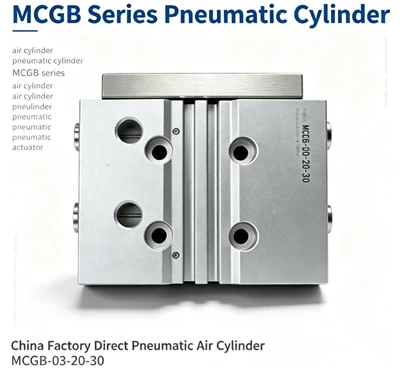
The features of a gripper cylinder can vary based on the specific model and manufacturer. However, here are some common features you might find in gripper cylinders:
Type of Gripping Mechanism:
Gripper cylinders can have different types of gripping mechanisms, such as parallel grippers, angular grippers, or three-finger grippers. The choice depends on the application requirements.
Actuation:
Gripper cylinders are typically actuated by pneumatic, hydraulic, or electric systems. Pneumatic grippers are common and use compressed air for operation.
Material and Construction:
Gripper cylinders are often constructed from durable materials like aluminum or stainless steel. This ensures resistance to corrosion and provides longevity.
Force and Grip Strength:
Gripper cylinders come in various sizes and with different force capabilities. The force exerted by the gripper determines its ability to securely hold and manipulate objects.
Adjustability:
Some gripper cylinders offer adjustable features, allowing users to customize the grip width, force, or speed based on the specific needs of the application.
Sensing and Feedback:
Advanced gripper cylinders may include sensors to detect the position of the gripper or provide feedback on the gripping force. This enhances precision and control.
Mounting Options:
Gripper cylinders often come with versatile mounting options, enabling easy integration into different automation systems or robotic applications.
Speed and Cycle Time:
The speed at which a gripper cylinder can open and close, as well as its cycle time, is a crucial feature, especially in high-speed automation processes.
Compatibility:
Gripper cylinders should be compatible with the overall automation system and be adaptable to the specific requirements of the task at hand.
Environmental Protection:
Gripper cylinders designed for harsh environments may have additional features for protection against dust, water, or other environmental factors.