

I. Introduction
A Pneumatic cylinder is a common pneumatic actuator, widely used in various industrial automation equipment. However, the problem of the pneumatic cylinder not being in place is one of the common faults, seriously affecting the normal operation of the equipment. This article will conduct an in-depth discussion on the causes and principles of the Pneumatic cylinder not being in place.
II. Working Principle of the Pneumatic Cylinder
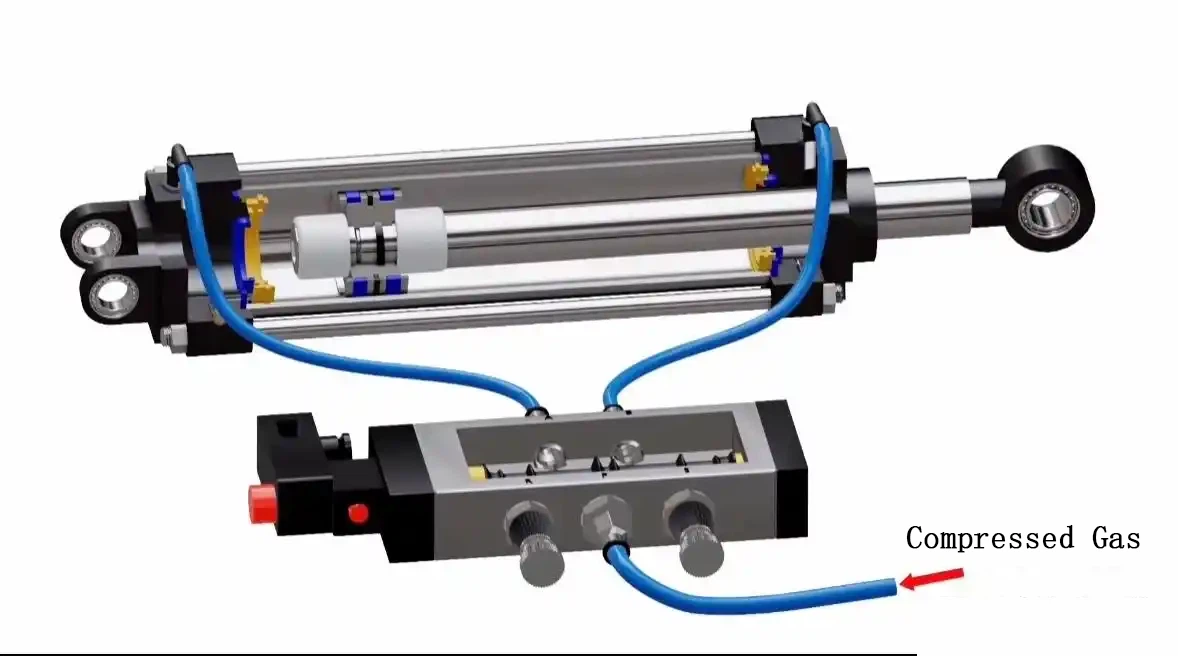
A Pneumatic cylinder is a linear motion mechanism that is driven by air pressure. Its working principle mainly consists of the following points:
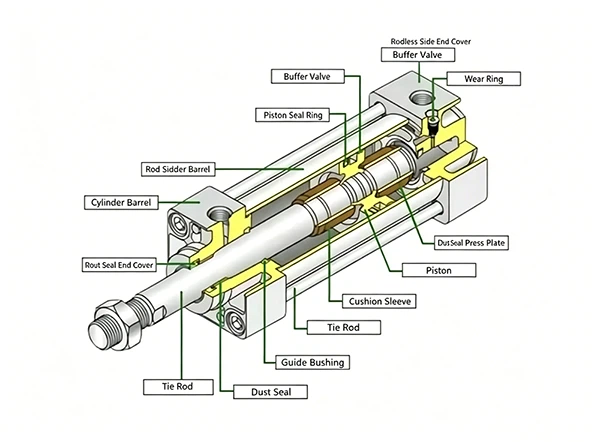
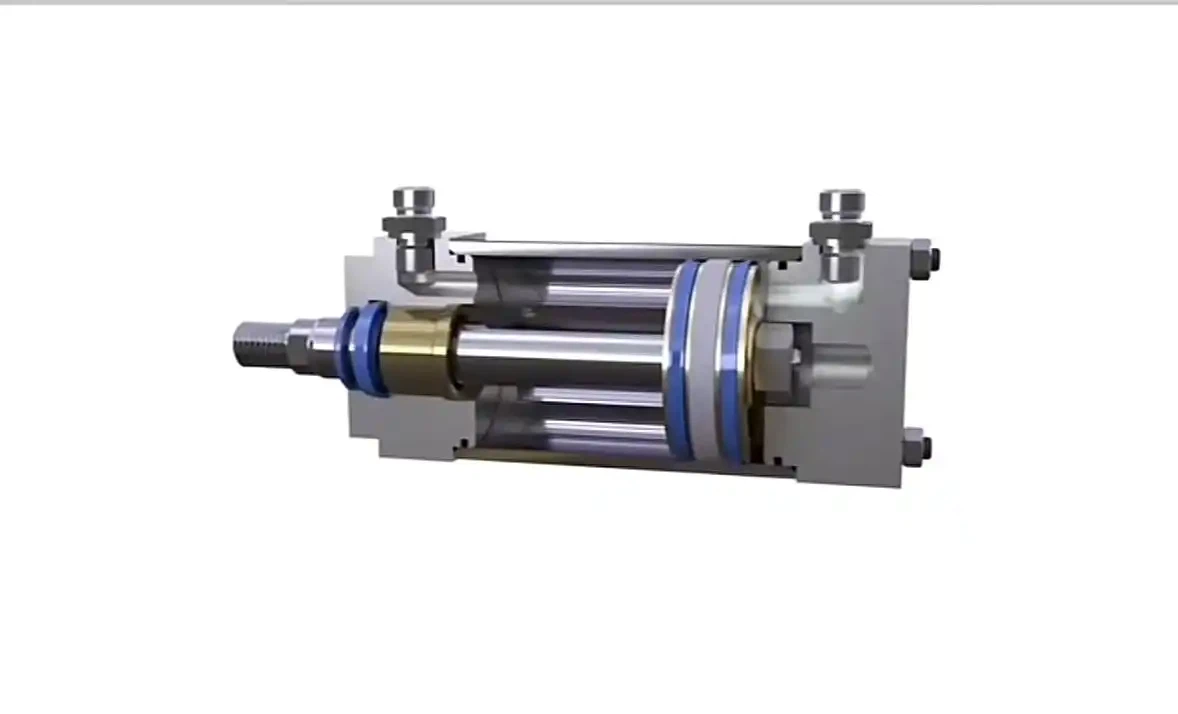
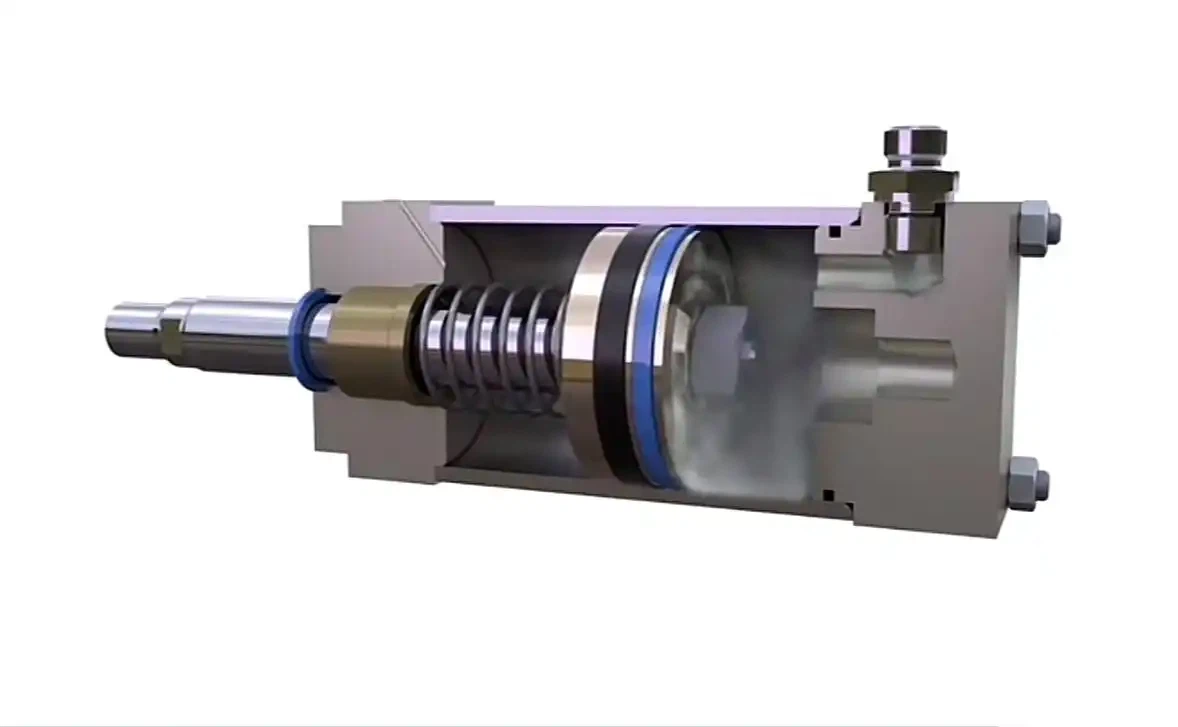
1. Pneumatic drive: Inside the Pneumatic cylinder, there is a piston and a piston rod. The piston moves within the Pneumatic cylinder due to the pressure difference, thereby driving the piston rod to perform linear motion.
2. Position sensing: Pneumatic cylinders are usually equipped with position sensors to monitor the position of the piston in real time, ensuring the accuracy of the piston's position within the preset range.
3. Motion Control: By controlling the sequence and timing of the Pneumatic cylinder's intake and exhaust, the movement direction and speed of the piston can be controlled.
4. Load Adaptability: The Pneumatic cylinder can accommodate various types of loads, such as pushing, pulling, and rotation, which makes it highly versatile for use in various industrial applications.
III. Reasons for the Inaccurate Position of the Pneumatic Cylinder
The reasons for the Pneumatic cylinder not being in place can be summarized as follows:
Insufficient air pressure: When the air source pressure is lower than the pressure required by the Pneumatic cylinder, the piston cannot reach the preset position.
2. Air pipeline blockage: There might be a blockage in the pipeline between the air source and the Pneumatic cylinder, preventing the air pressure from being transmitted to the Pneumatic cylinder.
3. Mechanical Failure: The piston or piston rod is affected by mechanical issues, such as getting stuck or wearing out, which prevents the piston from reaching the preset position.
4. Position sensor failure: The position sensor may malfunction, such as a broken wire or poor contact, which results in inaccurate position feedback.
5. Fault Control: If the control circuit or control program malfunctions, it will result in the inability to accurately control the movement of the Pneumatic cylinder.
IV. Solutions
Regarding the above issues, the following solutions can be adopted:
1. Check the air source pressure: Ensure that the air source pressure meets the requirements of the Pneumatic cylinder. If the air source pressure is insufficient, it is necessary to adjust or replace the air source equipment.
2. Inspect the air pipeline: Check whether the pipeline from the air source to the Pneumatic cylinder is unobstructed. Avoid any blockages that may interfere with the transmission of air pressure.
3. Check for mechanical faults: Inspect the piston and piston rod. If any mechanical issues such as jamming or wear are detected, they should be promptly repaired or replaced.
4. Inspect position sensor: Conduct an inspection and calibration of the position sensor to ensure its proper operation and accurate feedback of the piston position.
5. Inspect the control circuit and control program: Conduct an inspection and debugging of the control circuit and control program to ensure their proper operation and the ability to accurately control the movement of the Pneumatic cylinder.
6. Preventive Maintenance: Conduct regular preventive maintenance on the Pneumatic cylinders, including cleaning and lubrication measures, to extend their service life and reduce the failure rate.
7. Select high-quality products: Choosing high-quality Pneumatic cylinder products can reduce failure rates and enhance equipment reliability.
V. Conclusion
This article provides a detailed discussion on the working principle of the Pneumatic cylinder and the reasons for its malfunction. By understanding the working principle of the Pneumatic cylinder and the common causes of faults, appropriate solutions can be adopted for repair and maintenance. In practical applications, emphasis should be placed on preventive maintenance and the selection of high-quality products to enhance the reliability of the equipment and reduce the failure rate.
Above is The Reasons For The Malfunction Of The Pneumatic Cylinder And Its Working Principle content. To learn more related information, visit https://www.joosungauto.com/.


