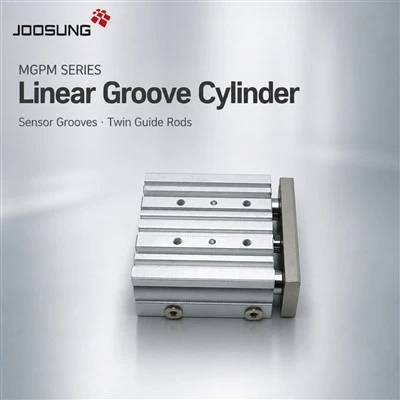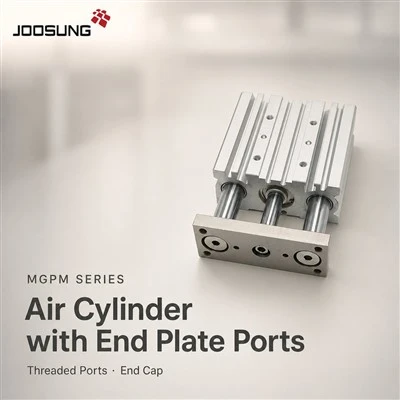
Pneumatic Cylinder types and principles
What exactly is a cylinder? The component that converts the pressure energy of compressed air into mechanical energy to drive the mechanism to perform linear reciprocating motion, swing, and rotational motion is called a cylinder, also known as a pneumatic actuator.
A cylinder that moves in a straight line can output force, while a cylinder that swings and a pneumatic motor that rotates can output torque. The air gripper and vacuum suction cup can be used to pick up and place objects.
1. Linear motion cylinder
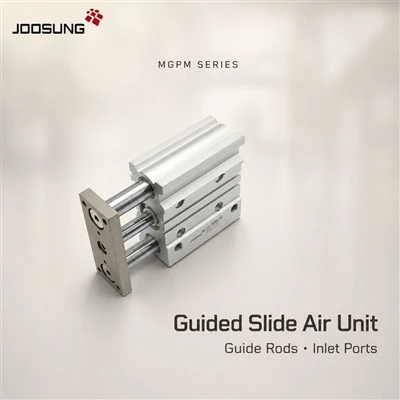
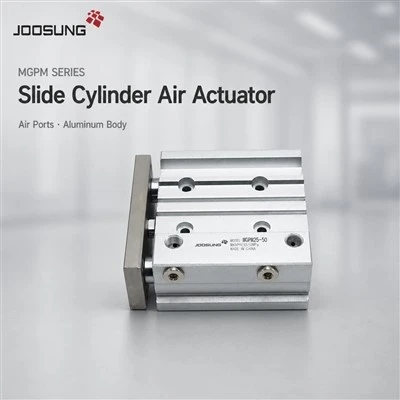
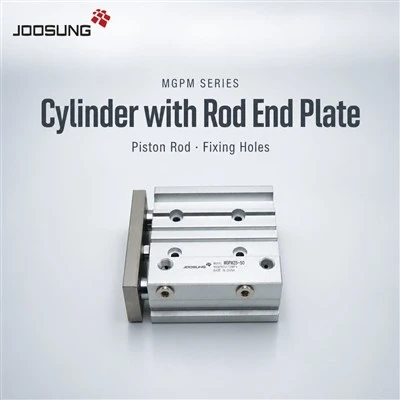
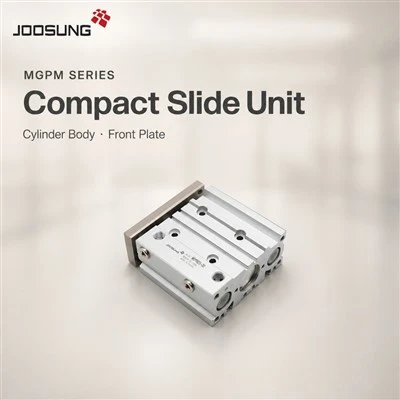
Among pneumatic actuating elements, the most widely used one is the cylinder for linear motion. The structure is divided into piston-type and non-piston-type (such as diaphragm-type). Diaphragm-type cylinders have good sealing performance, no frictional resistance, and do not require lubrication, but the cylinder stroke is short. They are mostly used in clamping and other tasks in the production process control. The most widely used type is the piston-type cylinder.
When choosing a piston cylinder, the first step is to confirm the cylinder bore and stroke. The larger the cylinder bore, the greater the thrust. How to calculate the output force of the cylinder will be explained in the following article. Different installation accessories should also be selected according to the installation environment.
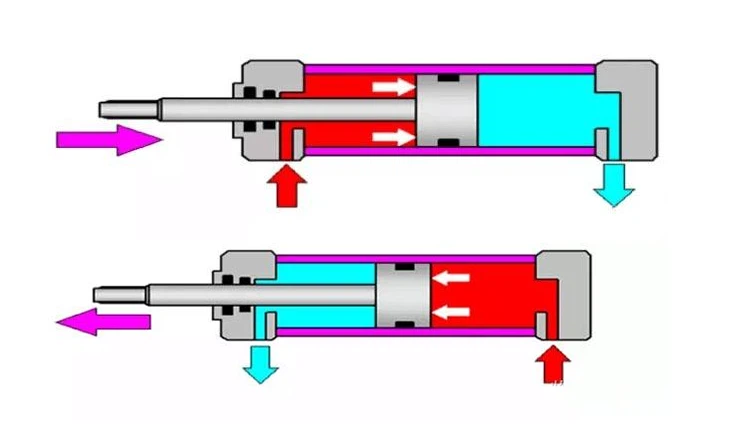
The working principle of the cylinder: The piston of the cylinder retracts and extends
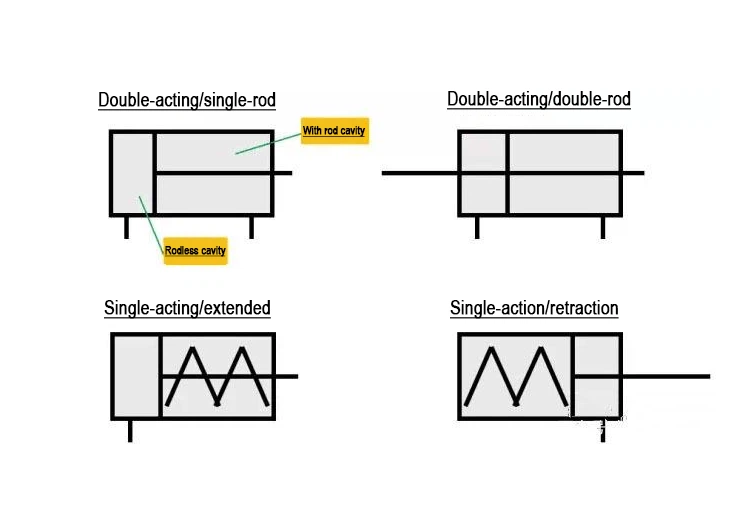
By adding springs in front of and behind the piston, the cylinder becomes a single-acting cylinder, requiring only one air intake hole. When it returns, it automatically resets through the spring.
2. Swing and rotate the cylinder
The movement of a rotary cylinder can be divided into planar rotation and angular downward pressure of the cylinder. There is a lot to elaborate on here, and I will share it gradually in subsequent articles.
This rotary model is the MSQB rotary cylinder, featuring a rack and pinion structure and a double-cylinder structure, capable of displaying double output force.
There is a turntable above that can be adjusted and rotated from 0 to 190 degrees. Linear cylinders and finger cylinders can be installed on the upper turntable to perform some simple mechanical actions.
3. Air gripper, finger cylinder
Finger cylinders, as the name suggests, are cylinders that function like fingers, capable of grasping objects. There are installation holes on the two grippers, and corresponding fixtures can be customized according to different products.
How to choose the type of cylinder
Category
By cylinder diameter: micro cylinder, small cylinder, medium cylinder, large cylinder
According to the buffering form: unbuffered cylinder, cushioned buffered cylinder, air-buffered cylinder
By size: space-saving type, standard type
Selection of cylinders
1. Determine the cylinder bore - based on the load
2. Determine the stroke - based on the range of motion
3. Determine the installation method
4. Determine the magnetic switch, etc
5. Determine the buffer form
6. Confirm other attachments
Above is the Pneumatic Cylinder types and principles, how to choose cylinder types content, to learn more related information are available at https://www.joosungauto.com/.